


Best Places to Go in Europe in 2026 (According to Condé Nast Traveler)
Discover the best places to visit in Europe in 2026 according to Condé Nast Traveler. Explore top destinations, best travel times, and insider tips for your next European adventure.
TRAVEL
Content:
Planning your next European getaway? If you’re looking for destinations that are actually worth your time and money in 2026, you’ll want to follow the experts.
Every year, Condé Nast Traveler curates a highly anticipated list of destinations that are shaping the future of travel—places experiencing cultural revivals, culinary breakthroughs, and sustainable innovation. These aren’t just beautiful cities; they’re destinations on the rise, chosen for major events, new hotel openings, and transformative experiences.
In this guide, I’ve broken down the best places to go in Europe in 2026, including when to visit, why each destination stands out, and how to experience them like a modern traveler (with a few smart affiliate-friendly ideas along the way).
Why These Are the Best European Destinations for 2026
Before we dive into individual destinations, here’s what defines the 2026 list:
Cities undergoing cultural transformations
Regions benefiting from major global events or investments
Destinations embracing slow travel and sustainability
Places with new hotels, experiences, and infrastructure
These are the places that will feel fresh in 2026—not overcrowded or overdone.
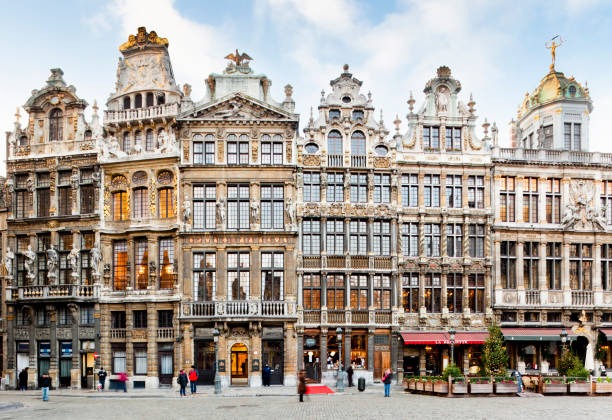
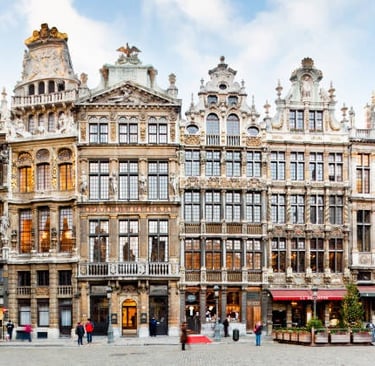
1. Brussels, Belgium — Europe’s Most Unexpected Creative Capital
Best time to visit: April–June, September–October
Brussels is having a full-blown renaissance. Once dismissed as a bureaucratic stopover, the Belgian capital is emerging as one of Europe’s most exciting cultural hubs.
The biggest driver? The opening of the Kanal–Centre Pompidou, a massive contemporary art space transforming a former industrial site into a creative powerhouse.
Beyond that, the city is buzzing with:
Design-forward hotels
Revitalized historic districts
Chef-led food markets and dining concepts
Why visit Brussels in 2026?
Because it’s on the brink. It offers the creativity of Berlin and the elegance of Paris—but without the crowds.
Don´t miss the experience of visiting a belgian Brewery while in Brussels. You can either go direct to the place or, for less stress book a tour in advance.
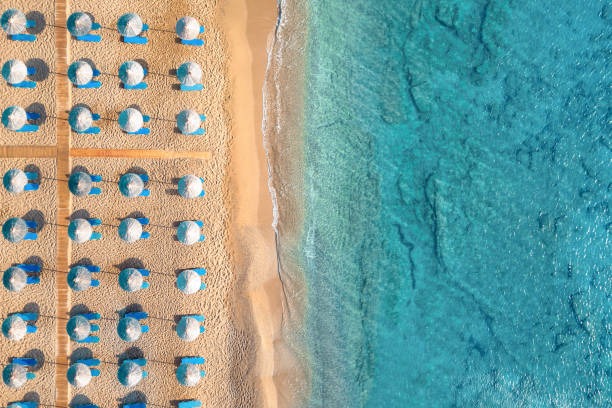
2. Crete, Greece — Europe’s Culinary Star of 2026

Best time to visit: May–June, September
Crete isn’t new—but its food scene is entering a global spotlight. Named a European Region of Gastronomy, the island is blending tradition with innovation.
Expect:
Farm-to-table dining rooted in ancient traditions
Expanding luxury resorts
Improved accessibility via new infrastructure
Why it’s attractive:
Crete delivers a rare combination: authenticity and comfort. You’re not just visiting—you’re connecting with centuries-old culinary culture.
If your itinerary is not that thight, i recommend you to book a tour to Elafonissi Pink Beach , the pink sand feels magical (ultimately instagramable!)
3. Frankfurt, Germany — Design Capital of the Year


Best time to visit: May–September
Frankfurt is shedding its “finance-only” reputation. In 2026, it becomes the World Design Capital, hosting hundreds of events across the city.
This shift is fueling:
A booming contemporary art scene
New boutique hotels
Innovative gastronomy and nightlife
Why visit Frankfurt in 2026?
Because it’s transforming in real time. You’ll experience a city redefining itself through design, culture, and creativity.
Stay inspired
Join our Newsletter - Exclusive content, trends and editors' picks
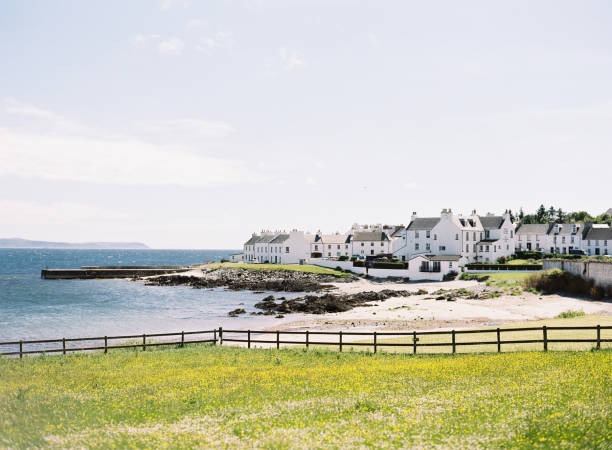
4. Islay, Scotland — Whisky, Wilderness, and Quiet Luxury
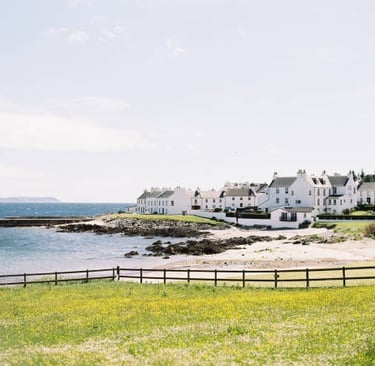
Best time to visit: May–September
If you’re craving something off the beaten path, Islay delivers. Known for its world-class whisky, the island is evolving with:
New distilleries
Boutique luxury stays like Ardbeg House
Expanding tourism infrastructure
Why it’s attractive:
Islay is about slow, immersive travel. Think windswept beaches, coastal hikes, and evenings spent tasting smoky single malts.
5. Milan, Italy — Olympic Buzz Meets Sustainable Travel


Best time to visit: April–June, September
With the Winter Olympics 2026, Milan is stepping into a new era. Investment in infrastructure, hospitality, and sustainability is reshaping the city.
The energy will be unmatched. Alongside fashion and design, you’ll find a city preparing for a global spotlight.
Want to take rest from Museums and walking sightseeings? Milan is not only about history, Architechture and contemporary design, Lake Como, well known for its deep turquise water, colorful houses and truly elegant villas. The lake is less than a hour away from Milan, a perfect escape from the moved city.
6. Saint-Gervais-les-Bains, France — The Future of the Alps


Best time to visit: December–March, June–September
This Alpine destination is redefining mountain travel through sustainability. A new gondola system connects train stations directly to the resort, reducing traffic and emissions.
Why it’s attractive:
It’s the Alps—without the guilt. Think eco-friendly travel, thermal spas, and breathtaking scenery.
7. Seville, Spain — A Food Scene Worth Traveling For


Best time to visit: March - May
Seville has always been beautiful—but now it’s becoming a culinary hotspot. New restaurants and chefs are redefining Andalusian cuisine.
Why visit Seville in 2026?
Because it offers the perfect balance:
Rich history
Vibrant nightlife
A rapidly evolving food scene
8. Oulu, Finland — Europe’s Arctic Cultural Capital


Best time to visit: Winter: February–March, Summer: June–August
Oulu will be one of the European Capitals of Culture in 2026, bringing global attention to this Arctic city.
Expect:
Festivals and digital art installations
Eco-conscious food culture
Unique Arctic experiences
Plan your trip for the Winter and you may be able to see the Northern lights (Tip: Download an Aurora Forecast App of your choice to check the probability of the following days, you can normally cancel the tours up to 24h prior)
Oulu it’s one of Europe’s most unique destinations—combining technology, nature, and culture in a truly different way.
9. The Peloponnese, Greece — Ancient Greece Without the Crowds
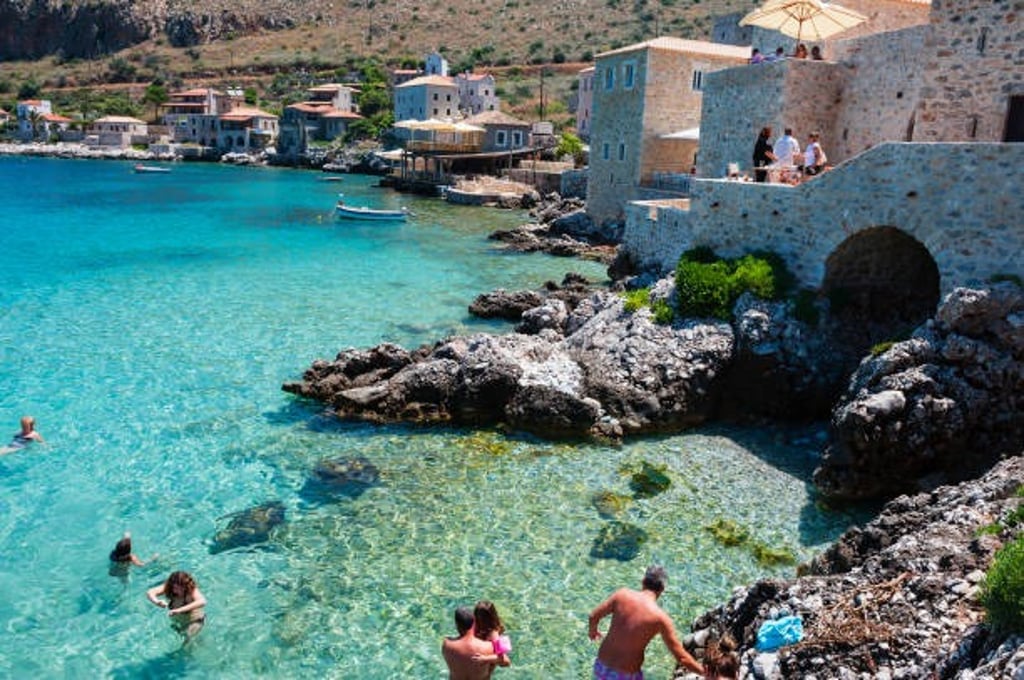
Best time to visit: April–June, September–October
The Peloponnese is gaining attention thanks to film tourism (“set-jetting”), especially with renewed interest in stories like The Odyssey.
Why it’s attractive:
Ancient ruins and mythology
Hidden beaches
Authentic Greek culture
It’s everything people love about Greece—without Santorini-level crowds.
10. Upper Carniola, Slovenia — Europe’s Hidden Alpine Gem


Best time to visit: May–September
This region of Slovenia is quietly becoming one of Europe’s top nature destinations, known for:
The Julian Alps
Outdoor adventure
Sustainable tourism initiatives
Why visit Upper Carniola in 2026?
Because it offers Alpine beauty at a fraction of the price—and with far fewer tourists.
What stands out about Condé Nast Traveler’s 2026 list is not just the destinations—but the themes.
Travel in 2026 is about:
Transformation (Brussels, Frankfurt)
Sustainability (Saint-Gervais, Slovenia)
Culinary depth (Crete, Seville)
Cultural reinvention (Oulu, Milan)
These aren’t just places to visit—they’re places to experience change as it happens.
2026 is the year to explore Europe beyond the obvious.
The destinations on this list aren’t just trending—they’re evolving. And if you visit now, you’ll experience them at their most exciting stage: right before everyone else catches on.
Want more travel guides like this? Bookmark this blog and check back for hotel recommendations, packing lists, and detailed itineraries for each destination.